
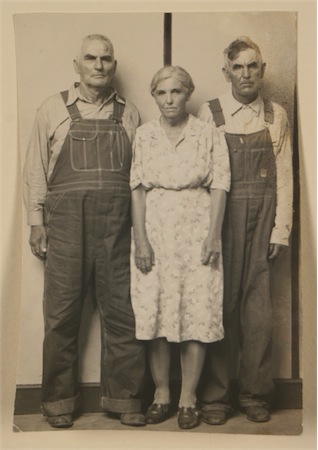
As my students gear up to read The Great Gatsby, I was looking for a hook this morning to help them understand the sociocultural norms of the 20s, and particularly the distinguishing characteristics of class and upbringing. Nick, the narrator, is, to me, a typical Midwesterner like most folks I grew up with in Illinois. That makes him more alien than a Pashwari Sikh to young Arizonans. “Midwestern values” encompasses an entire spectrum of social mores that are shocking and strange to my kids. When I told them that PDAs are generally frowned upon even among family members, a hush fell over the room. Today’s high schoolers suck face with great abandon, noisily, and in public. The very idea that a hickie is something to be ashamed of instead of a trophy is far beyond their Western sensibilities.
“Bling,” or the ostentatious show of material wealth on or about one’s body, is the accepted norm among my students. In fact, they often put a $1,000 stereo in a $500 hoopdie with no ironic intent. I like to share stories about the wealthiest landowners (i.e., farmers) in my hometown. These were stoic-faced Germans, by and large, with sunburnt necks and calloused hands. These stingy-tipping, hard-bargaining Depression survivors had accumulated more money in their bank accounts than an average Gulfstream-jet-setting CEO today. Their timeless uniform was overalls with a jaunty dash of Carhartt in the winter. Even a red tie worn for a church social (under overalls) might draw a raised eyebrow or two. Showiness of any sort was considered to be a glaring indicator not only of awful taste, but poor upbringing. We were taught never to ridicule or judge anyone else, as we were constantly reminded that not everyone had been brought up with the advantages we’d enjoyed, which meant married parents, reliable meals, and full grain silos. The idea of bullying a kid who has poor clothes is just anathema to a Midwesterner’s mindset. Poor character, now that was another story.
Maybe the most striking difference between Nick the Midwesterner and my students is Nick’s attitude about “drama.” The spontaneous overflow of feeling, as Wordsworth called romanticism, is particularly disdained by Midwesterners. Carl Sandburg’s characterization of Chicago as “wicked, crooked, fierce, proud, and brutal” (not in the same line, of course) hit home for me. Few adjectives evoke a more un-romantic tone. Sandburg’s hog-butchering, brawling Chicagoan reflects Midwestern values in all their rugged splendor.
Western Romanticism is gentle, coddling, and indulgent in comparison. For example, many of my students come from homes in which parents will take out a second mortgage to throw a quinceanara, marking baby’s birthdays with Hollywood-style bashes lasting several days, breaking the bank to throw a Vegas-style wedding, but certainly boosting the ego of the recipients of such largesse.
While it seems like a happy medium must exist between tight-fisted Midwestern Puritanism and reckless Wild West Romanticism, it speaks to a larger issue than Nick’s disillusionment with the excesses of wealthy Eggers. In fact, tearing apart a few of those Midwestern farmhouse mattresses might eliminate the federal deficit, old sport.


 sabasabas